If you’re considering a skin tightening treatment, you may be wondering how often it can be carried out safely.
The answer is not simply “every four weeks” or “once a year”. The right interval depends on the treatment technology, the area being treated, the intensity used, your skin and how it responds.
At Lipo Sculpt Croxton, Total Skin Tightening Treatment is the name used for the service described in this article. The treatment should be understood in terms of the technology and device actually used, rather than assuming it is Morpheus8. Morpheus8 is a specific branded RF microneedling system, whereas RF microneedling describes a broader category of treatment technology.
What Is Total Skin Tightening Treatment?
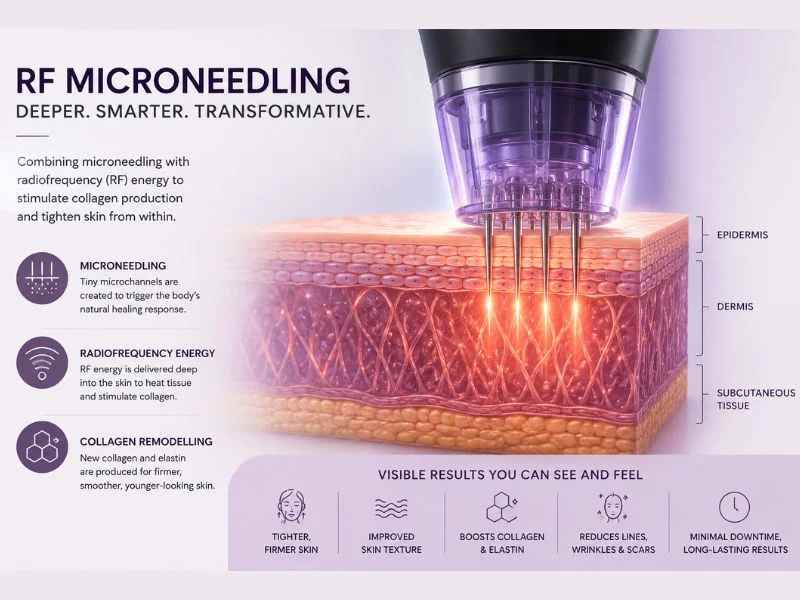
RF microneedling combines controlled microneedling with radiofrequency energy. Very fine needles enter the skin while RF energy is delivered at a controlled depth.
The needles create controlled micro-injuries in the skin, while the radiofrequency energy produces heat within the targeted tissue. These processes are intended to stimulate a healing response and changes in the skin over time. Research has investigated their effects on dermal remodelling and skin appearance. [1][2]
The aim is not to physically pull the skin upwards like a surgical facelift. Instead, treatment is intended to encourage gradual changes in skin texture, firmness and laxity.
Research into RF microneedling has investigated several aesthetic concerns, including skin laxity, wrinkles, texture and acne scarring. However, results vary between individuals and between treatment protocols. [2][3]
Is Total Skin Tightening Treatment the Same as Morpheus8?
No. These terms should not be treated as interchangeable.
This distinction matters before booking treatment.
RF microneedling describes a category of treatment technology.
Morpheus8 is a particular branded RF microneedling system.
Lipo Sculpt uses the term Total Skin Tightening Treatment.
They should not automatically be treated as interchangeable terms.
Evidence for RF microneedling as a treatment category does not necessarily mean that every device, treatment setting or protocol will produce the same results. Also Explore: HIFU vs Botulinum Toxin: Understanding the Differences
How Often Can You Have RF Microneedling?
There is no single treatment interval that applies to all RF microneedling devices and indications.
NHS patient information for conventional microneedling describes protocols with sessions at least six weeks apart. However, that guidance relates to the treatment protocol described by the hospital and should not be treated as a universal interval for RF microneedling. Published RF microneedling studies have also used different schedules, depending on the device, treatment area and purpose of treatment. [1][2][3]
For that reason, you should decide your treatment interval during an assessment rather than selecting it from a standard timetable.
Factors that may influence the interval include:
- the area being treated
- the treatment depth and energy settings
- your skin condition
- the concern being treated
- how your skin responded to the previous session
- the amount of redness, swelling or irritation experienced
- whether another cosmetic treatment has recently been performed
Having another session before the skin has adequately recovered does not automatically mean you will achieve better results.
Why Does the Skin Need Time Between Treatments?
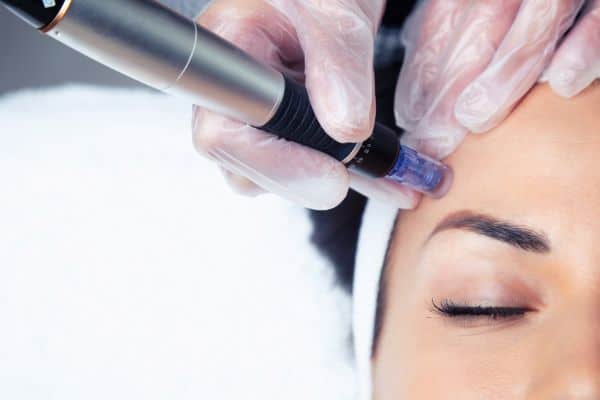
RF microneedling deliberately creates a controlled response within the skin. Recovery is part of the treatment process, not something to ignore.
Immediately afterwards, the skin can appear red and may feel warm or sensitive. Temporary swelling, tenderness and other local skin reactions can also occur. The nature and duration of these reactions can vary according to the treatment, settings and individual.
Although visible redness and sensitivity may settle, changes associated with the skin’s repair and remodelling process can continue over a longer period. The timing varies according to the treatment and individual response.
Research describes collagen remodelling following RF microneedling as a gradual process rather than an overnight change. [2]
This is one reason judging a treatment’s success only a few days later can be misleading.
What Happens During and After Treatment?
Your practitioner should assess the area and discuss your objectives before treatment.
The skin is cleansed and prepared before the practitioner applies the treatment device. Depending on the treatment protocol, a topical anaesthetic may be used to improve comfort.
During treatment, you may feel pressure, warmth or a prickling sensation. The experience varies depending on the treatment area, settings, and individual sensitivity.
Aftercare instructions depend on the device and treatment protocol. Your practitioner should explain how to care for the treated area, including any temporary restrictions on swimming, saunas, exercise, heat exposure and skincare products. Follow the specific instructions provided rather than relying on general advice intended for a different RF microneedling device. [1]
Your practitioner should provide specific aftercare instructions, as these can vary depending on the treatment performed. See Here: Does Skin Sag After Fat Dissolving Injections?
When Will You See Results?
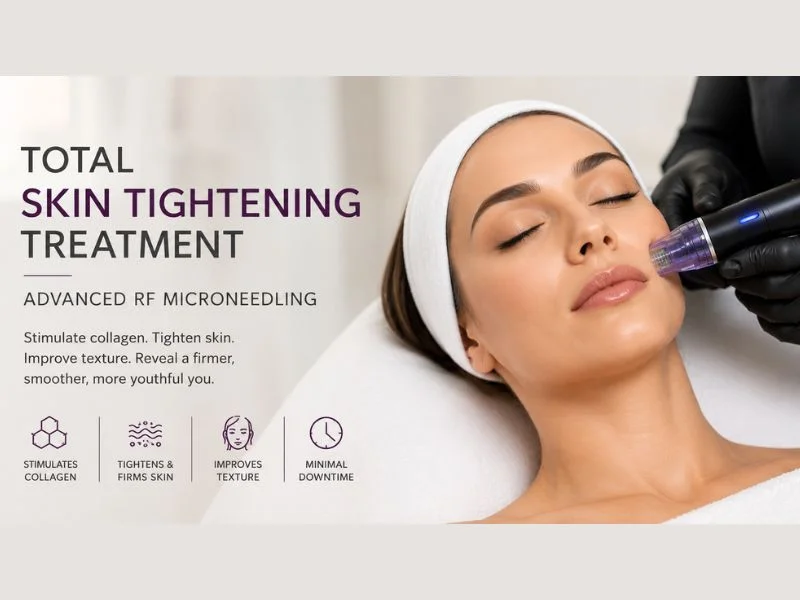
It is better to think of skin tightening as a gradual process rather than an instant lift.
Some people notice changes in the appearance or feel of their skin relatively early, while other improvements become more apparent over the following weeks or months.
The response depends on the individual and the concern being treated. Clinical research has reported improvements in skin texture and laxity following RF microneedling, but studies use different devices, settings, treatment schedules and assessment methods. [2][3]
For this reason, a practitioner should avoid promising a particular result or exact timeframe.
Who May Not Be Suitable?
RF microneedling is not automatically suitable for everyone.
A consultation should consider your medical history, current skin condition, medications, previous treatments and the area you want treated.
Treatment may need to be postponed or avoided in certain circumstances, including an active skin infection or significant skin irritation. Your practitioner should assess your individual circumstances and explain whether treatment is appropriate.
Because RF microneedling breaks the skin, hygiene and appropriate treatment technique are important. GOV.UK consultation material on non-surgical cosmetic procedures highlights the importance of appropriate training, hygiene, infection control and standards for procedures such as microneedling and radiofrequency treatments. [4]
If you have a new, changing, bleeding, or otherwise concerning skin lesion, cosmetic treatment should not replace medical assessment.
What Are the Risks of RF Microneedling?
RF microneedling involves both needle penetration and the delivery of radiofrequency energy into the skin. Temporary redness, swelling, tenderness and discomfort can occur after treatment.
More serious complications have also been reported with certain uses of RF microneedling devices. In an October 2025 safety communication, the US Food and Drug Administration highlighted reports of burns, scarring, fat loss, disfigurement and nerve damage. Some cases required medical intervention. [5]
The risks can depend on factors such as the device, treatment settings, needle depth, treatment area and the practitioner’s technique. This is why device-specific training, appropriate assessment, hygiene and a clear discussion of potential complications are important before proceeding.
Ask which device will be used, what training the practitioner has received and what arrangements are in place if you experience an unexpected reaction.
What Can Total Skin Tightening Treatment Realistically Achieve?
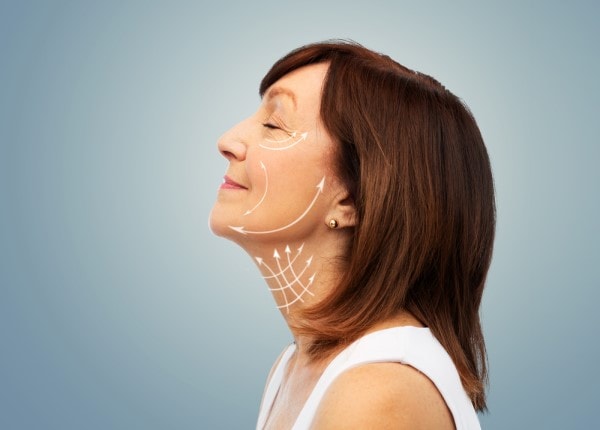
RF microneedling may be considered for certain skin concerns, including mild to moderate laxity. Whether it is appropriate depends on the individual, the treatment area and the specific device and protocol being used.
RF microneedling has been studied for concerns including:
- mild to moderate skin laxity
- uneven skin texture
- fine lines
- certain types of acne scarring
- changes in skin firmness
Suitability and expected outcomes can vary according to the individual, treatment area, device and treatment protocol. [2][3]
RF microneedling cannot reproduce the tissue repositioning achieved by surgery. Significant excess skin may require a different approach, and not every type of laxity will respond in the same way.
A good consultation should therefore include an honest discussion about what the treatment can and cannot reasonably achieve.
Questions to Ask Before Treatment
Before booking, it’s worth asking a few simple questions so you know what to expect:
- What technology and device will be used?
- Why is this treatment suitable for my skin concern?
- How many sessions might I need, and why?
- What should I expect during recovery?
- What side effects or risks should I be aware of?
- Is there any reason the treatment may not be suitable for me?
- What sort of improvement could I realistically expect?
- Are there other options I should consider?
Having this conversation beforehand can help you decide whether the treatment is right for you, rather than choosing it simply because it is described as a skin tightening treatment.
Frequently Asked Questions: Morpheus8
Q: Can I have skin tightening treatment every month?
Not necessarily. The appropriate interval depends on the device, treatment settings, area being treated and how your skin has recovered. Some published protocols use intervals of several weeks, but these should not be treated as a universal schedule. Your practitioner should recommend an interval based on the treatment being performed and your individual response.
Q: Is RF microneedling Croxton permanent?
No cosmetic skin treatment should be described as providing permanent results. Skin continues to age and changes with factors such as sun exposure, lifestyle and time.
Q: Is Total Skin Tightening Treatment Croxton suitable for loose skin after weight loss?
It may be considered where the main concern is mild to moderate laxity. Significant excess or hanging skin is unlikely to improve with a non-surgical treatment and may require assessment of surgical options.
Q: Is Morpheus8 Croxton the only type of RF microneedling?
No. Morpheus8 is one branded RF microneedling system. RF microneedling is the broader technology category.
Q: How long does RF microneedling Croxton take to work?
Where improvement occurs, it may develop gradually rather than immediately. The timeframe can vary according to the individual, treatment area, device and treatment protocol.
Q: Can RF microneedling Croxton cause side effects?
Yes. Temporary redness, swelling, tenderness and discomfort can occur. More serious complications, including burns, scarring, fat loss and nerve damage, have also been reported with certain uses of RF microneedling devices. The risks depend on the device, treatment settings, treatment area and technique. Ask your practitioner to explain the potential complications and what steps are taken to reduce risk. [1][4]
Q: Should I choose RF microneedling or another skin tightening treatment?
There is no universally “best” treatment. The right option depends on your skin, the degree of laxity, your goals, recovery preferences and whether you need a non-surgical or surgical approach.
A consultation should help you understand the options rather than simply recommending one treatment.
References & further reading
[1] Chelsea and Westminster Hospital NHS Foundation Trust. Microneedling Post-treatment Information for patients. Publication date: Not stated on page. NHS Foundation Trust microneedling guidance
[2] Esmaeili et al. Radiofrequency Microneedling: A Comprehensive and Critical Review
Dermatologic Surgery, 2021. PubMed – Radiofrequency Microneedling review
[3] Hendricks AJ, Farhang SZ . Dermatologic facial applications of Morpheus8 fractional radiofrequency microneedling. Journal of Cosmetic Dermatology, 2022. PubMed – Morpheus8 fractional RF microneedling review
[4] Department of Health and Social Care. The licensing of non-surgical cosmetic procedures in England – consultation response. GOV.UK – Licensing of non-surgical cosmetic procedures
For More Information, please call us today on 03300101799