Lipo Sculpt · Non-surgical aesthetics

Viral Verrucae Removal Croxton

Understanding Verrucae, CryoPen Cryotherapy and Your Treatment Options
 
Verrucae are common viral skin growths that usually develop on the soles of the feet. Although generally harmless, they can sometimes cause discomfort, particularly when walking or standing.
Many verrucae disappear naturally over time without treatment. However, some people choose to explore treatment when a verruca becomes painful, persistent or troublesome.
At Lipo Sculpt, we provide information about CryoPen cryotherapy, a targeted freezing technique that may be considered for certain skin lesions following an appropriate assessment.
Treatment isn’t suitable for everyone, and we can’t guarantee successful removal.
What happens during CryoPen verruca removal Croxton?

Start with a conversation.

Understand your options before deciding on treatment.

Consultation first

Time to discuss suitability and ask questions.

A plan around you

Treatment options explained for your circumstances.

Convenient home visits

Subject to treatment and local availability.

What Are Viral Verrucae Croxton?

Certain strains of the human papillomavirus (HPV), a common virus that affects the skin, cause verrucae.
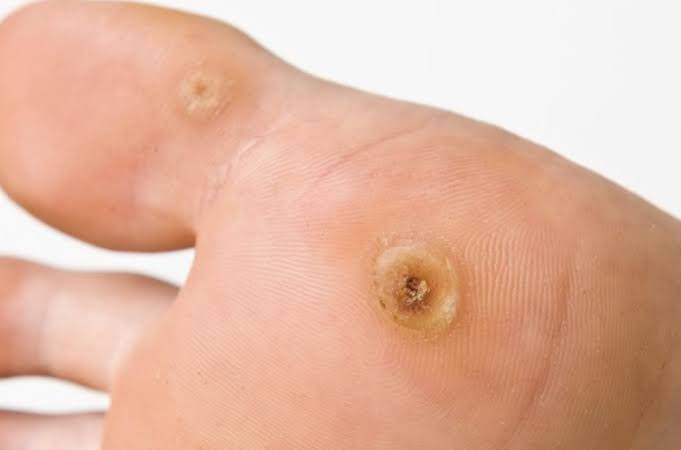
They typically develop on the soles of the feet and may appear as small, rough or hardened areas of skin. Some have tiny dark dots from small blood vessels.
Because verrucae develop in weight-bearing areas, walking or standing can sometimes make them uncomfortable.
Verrucae can vary in appearance and may occur individually or in clusters.
Not every skin growth on the foot is a verruca. Corns, calluses, and other skin conditions can look similar, so accurate identification is important before treatment.

What Causes Verrucae?

Verrucae develop when HPV enters the outer layers of the skin, sometimes through small breaks or damaged areas.
The virus can spread through direct skin contact or contact with contaminated surfaces.
Communal changing rooms, swimming pool areas, and shared footwear can increase transmission risk, especially when the skin is wet or damaged.
Not everyone exposed to HPV develops a verruca, and the body’s immune response plays an important role.

Do Verrucae Always Need Treatment?

No. Many verrucae disappear naturally without medical intervention.
Treatment may be considered when a verruca:
 
  • Causes discomfort when walking or standing.
  • Persists over time.
  • Becomes troublesome in everyday activities.
  • Causes personal concern.
  • Requires assessment because its appearance is uncertain.
 
Treatment isn’t always necessary, especially if a verruca is painless and not causing problems.
A pharmacist, GP or podiatrist can help explain the available options.
Verruca removal treatment Croxton

What Is CryoPen Cryotherapy?

CryoPen is a handheld device that applies controlled freezing to a targeted area of skin.
Certain CryoPen systems use nitrous oxide as their cooling agent. This differs from conventional liquid nitrogen cryotherapy, although both approaches use low temperatures to affect treated tissue.
Cryotherapy is one of several methods used to manage certain warts and verrucae.
The freezing process is intended to damage targeted tissue, allowing the treated area to change and heal over time.
Cryotherapy does not guarantee complete verruca removal, and repeat treatment may be required.
The suitability of any particular device for treating plantar verrucae depends on its intended use, the individual’s circumstances and an appropriate professional assessment.

Your treatment journey

Can CryoPen Be Used for Verrucae?
Cryotherapy may be considered for some verrucae, but assess suitability before any procedure.
Factors that may influence treatment decisions include:
 
  • The verruca’s size and location.
  • How long it has been present.
  • Whether it causes pain or discomfort.
  • Previous treatment attempts.
  • The condition of the surrounding skin.
  • Relevant medical conditions and medication.
  • Whether the diagnosis has been confirmed.
 
Not all verrucae are suitable for treatment using a particular freezing device.
Where necessary, Lipo Sculpt may recommend seeking advice from a GP, dermatologist or podiatrist before proceeding.

A considered approach

Understanding Your Verruca Treatment Options
Verruca Removal Croxton
What Happens During a Lipo Sculpt Consultation?
Lipo Sculpt offers a consultation-first approach to discussing potential treatment.
Where available and appropriate, consultations and selected procedures may be arranged in a home setting, subject to practitioner availability and suitability.
  • Discussing Your Concerns
You can explain where the suspected verruca is located, how long it has been present and whether it causes discomfort.
  • Reviewing Suitability
The practitioner considers relevant health information, previous treatment, and possible contraindications.
If the lesion requires medical diagnosis or further investigation, you may be advised to seek assessment from an appropriate healthcare professional.
  • Explaining Treatment Options
Where CryoPen treatment is appropriate, the practitioner can explain the procedure, possible discomfort, risks, expected aftercare and limitations.
  • Making an Informed Decision
Consider the information provided before deciding whether to proceed.
A consultation does not guarantee that treatment will be offered.
What Does CryoPen Treatment Feel Like?
Cryotherapy can cause a cold, stinging or burning sensation while the freezing agent is applied. Some people experience discomfort during or after treatment, particularly when the verruca is located on a weight-bearing part of the foot.
Discomfort varies from person to person. Cryotherapy is not necessarily pain-free.
What Happens After Cryotherapy?
The treated area may change temporarily as the skin responds to freezing.
 
Possible effects include:
 
  • Redness or swelling.
  • Tenderness or discomfort.
  • Blister formation.
  • Scabbing or crusting.
  • Temporary or persistent changes in skin pigmentation.
  • Changes in skin texture or scarring.
  • Infection or delayed healing.
 
These effects do not occur in everyone, and their severity can vary.
Because verrucae often develop on the soles of the feet, walking may be uncomfortable while the treated area heals.
Your practitioner should explain appropriate aftercare and when to seek further advice.
How Many Cryotherapy Sessions Will I Need?
No fixed number of treatments guarantees successful verruca removal.
Some verrucae may respond to treatment, while others persist despite repeated procedures.
Factors such as the verruca’s size, depth, location, and duration may influence treatment decisions.
A practitioner should explain whether further treatment or referral is appropriate rather than promising a particular result.
Who May Not Be Suitable for Cryotherapy?
Cryotherapy is not appropriate for everyone.
 
Additional medical assessment may be needed for people with:
 
  • Diabetes, particularly where foot sensation or circulation is affected.
  • Poor peripheral circulation.
  • Peripheral neuropathy or reduced skin sensation.
  • Conditions or medication affecting wound healing.
  • A weakened immune system.
  • Active infection or broken skin around the treatment area.
  • A lesion that has not been confidently identified.
 
People with uncertain, changing, bleeding or unusually painful skin lesions should seek appropriate medical assessment before cosmetic lesion treatment.
Do not use cryotherapy as a substitute for investigating a potentially serious skin condition.
How Can You Reduce the Spread of Verrucae?
Verrucae are contagious, although transmission does not always result in infection.
 
Practical precautions include:
 
  • Avoiding scratching or picking at verrucae.
  • Washing your hands after touching affected skin.
  • Wearing footwear in communal changing areas.
  • Avoiding sharing towels, socks or shoes.
  • Keeping feet clean and dry.
  • Covering verrucae when swimming.
 
These precautions may help reduce transmission but cannot eliminate the risk.

Your questions, answered

Frequently Asked Questions

These answers offer a starting point. Your consultation provides information specific to the treatment and your circumstances.

Most verrucae are harmless. However, any unusual, changing, bleeding or unexplained skin growth should be assessed by an appropriate healthcare professional.
Yes. Many verrucae resolve naturally as the immune system responds to the virus. This can take months or sometimes years.
Cryotherapy can cause stinging, burning or discomfort. Some people also experience tenderness or blistering afterwards.
Permanent removal cannot be guaranteed. Verrucae can persist or return following treatment, and new verrucae may develop.
Some people can continue their usual activities, but tenderness or blistering may make walking uncomfortable. Recovery varies depending on the treated area and how the individual responds.
No. Different skin lesions require different approaches. Some warts, including those on the face or genitals, require assessment and treatment by appropriate medical services.
Children’s verrucae often resolve naturally, and treatment can cause discomfort. A GP or appropriately qualified podiatrist can advise on whether intervention is necessary. Lipo Sculpt advertises its service for adults aged 18 and over.
Lipo Sculpt offers selected mobile services, subject to location, practitioner availability, suitability and appropriate clinical arrangements. Not every lesion or procedure will be suitable for home-based treatment.
Seek advice from a GP or podiatrist before considering removal. Other skin conditions can resemble verrucae, and accurate identification is important.

Let's talk about your options

Discuss Your Verruca Treatment Options With Lipo Sculpt
If you are concerned about a suspected verruca and want to understand your options, Lipo Sculpt can explain its consultation process and whether a CryoPen assessment may be appropriate.
Our approach focuses on individual suitability, realistic expectations, and understanding treatment limitations.
Where appropriate, you may be advised to seek medical or podiatry assessment before any procedure is considered.
Important information: This page provides general information and is not a substitute for medical advice or diagnosis. Cryotherapy outcomes vary; treatment may not be appropriate for every individual, and complete or permanent removal cannot be guaranteed.